The 10th hemp museum on Earth, and the only one in Southeast Asia. Rigorously academic. Honestly educational. Visibly different.
Locating you…
Drag to spin the globe
Lights across the map illustrate hemp's worldwide reach. Your own location shows brighter.
Approximate location based on your network connection — not exact, and never stored.
A digital walk through our halls — no ticket, no travel required.
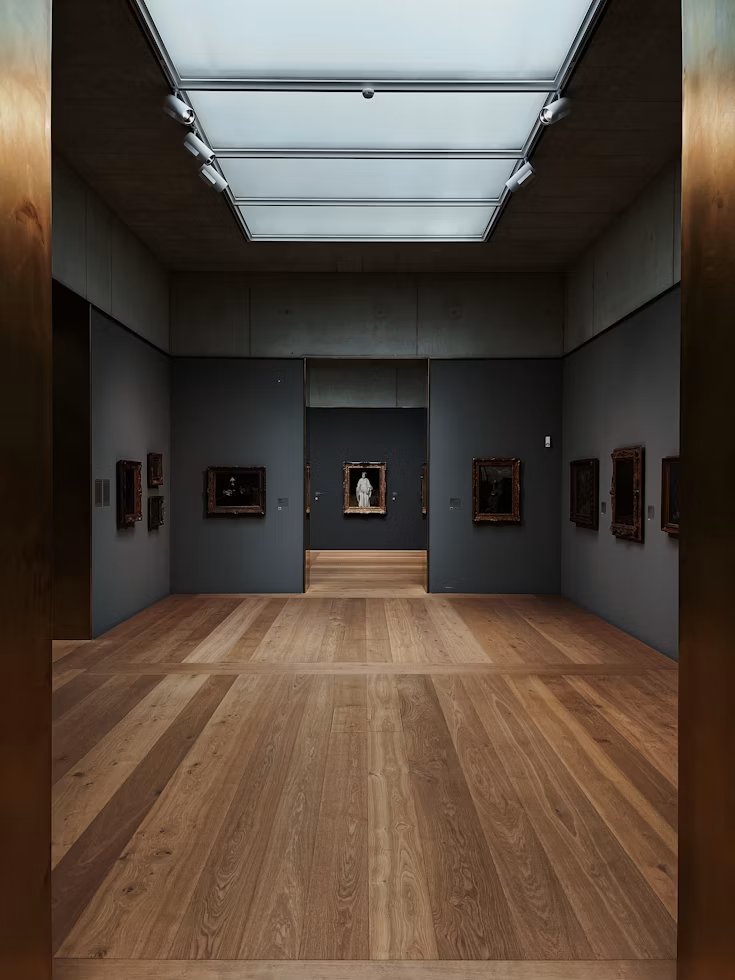
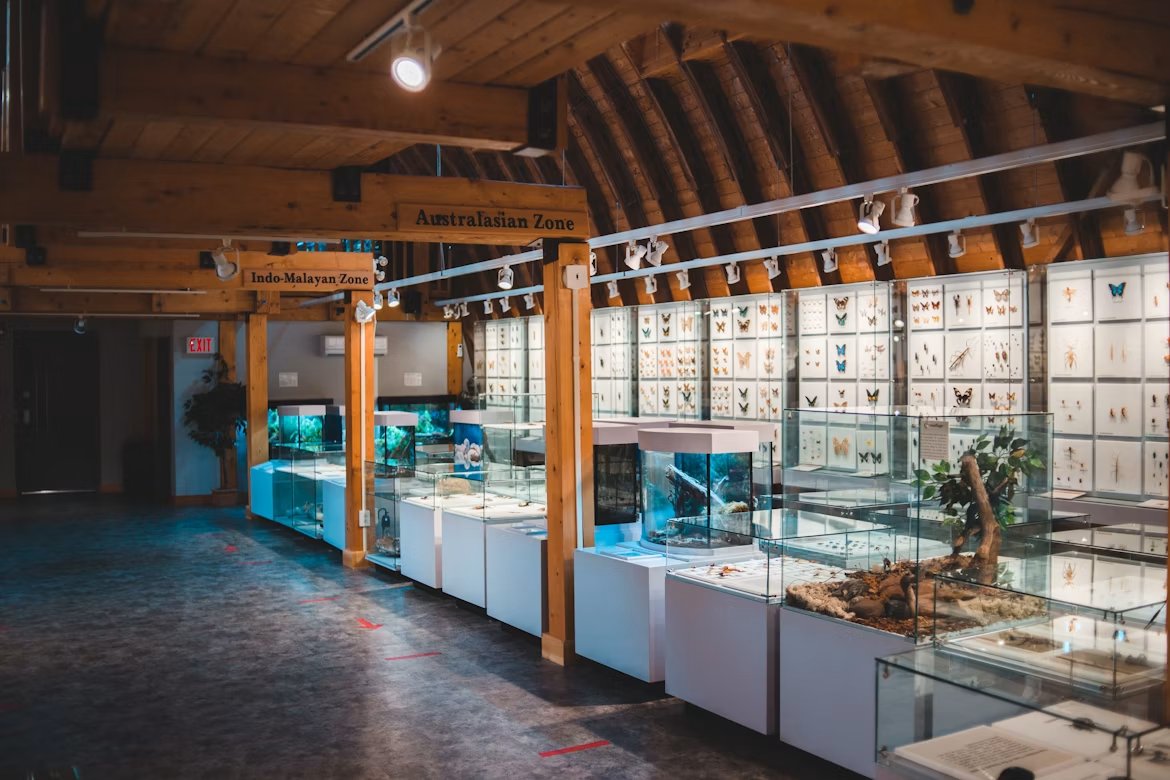
Modern Materials Hall
Illustrative gallery photography — not photographs of this museum's own premises.
Hemp is one of humanity's oldest and most important plants. For millennia, it shaped trade routes, built civilizations, and fueled innovation. Yet its story has been fragmented, suppressed, and often forgotten.
The museum opened its doors in 2019, founded by a small group of historians and botanists who noticed a gap: no institution in the region was telling hemp's story with academic rigor. What began as a single research archive has grown into a permanent collection of more than 500 artifacts, drawn from trade routes across Asia, Europe, and beyond.
We exist to tell the complete story, honestly, rigorously, and with respect for the cultures that have stewarded this plant.
Read our full story →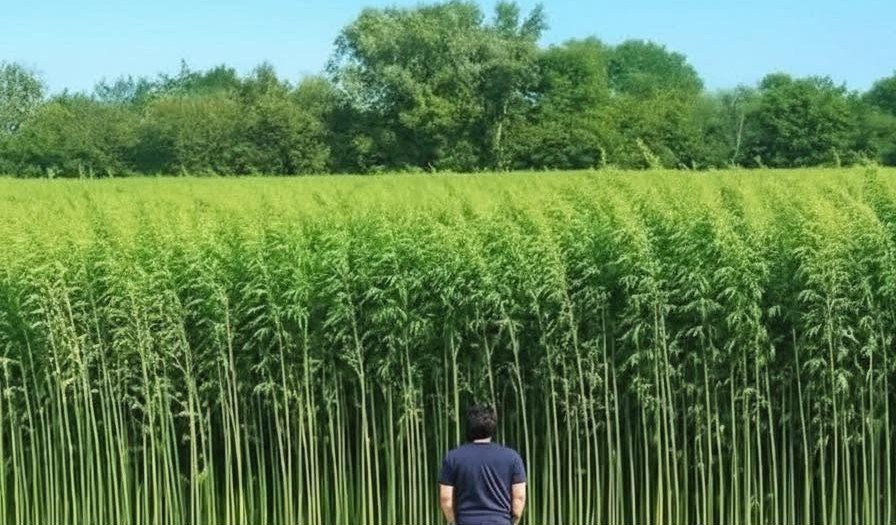
Whether you're a student, researcher, artist, or curious explorer, our collection speaks to you.
Learn hemp's botany, genetics, and the science behind why this plant has endured for millennia.
From textiles to ritual, see how hemp shaped art, spirituality, and daily life across cultures.
Access primary sources, contemporary science, and ongoing studies about hemp and human history.
Educational programs for all ages. School groups, students, and families welcome.
Stories from Asia, Europe, Americas, and Africa. Hemp's impact spans every continent.
Visit in person or explore our virtual museum from home with 360° tours and digital collections.
Few crops touch as many parts of daily life as hemp. Its fibers become textiles, rope, and paper; its woody core becomes building material; its seeds become food and oil; and its stalks can even be processed into bioplastics and fuel.
Hemp also grows remarkably fast — reaching maturity in about four months, compared to the years or decades required for cotton fields to rotate or forests to regrow — while yielding significantly more usable fiber per hectare than trees grown for paper pulp.

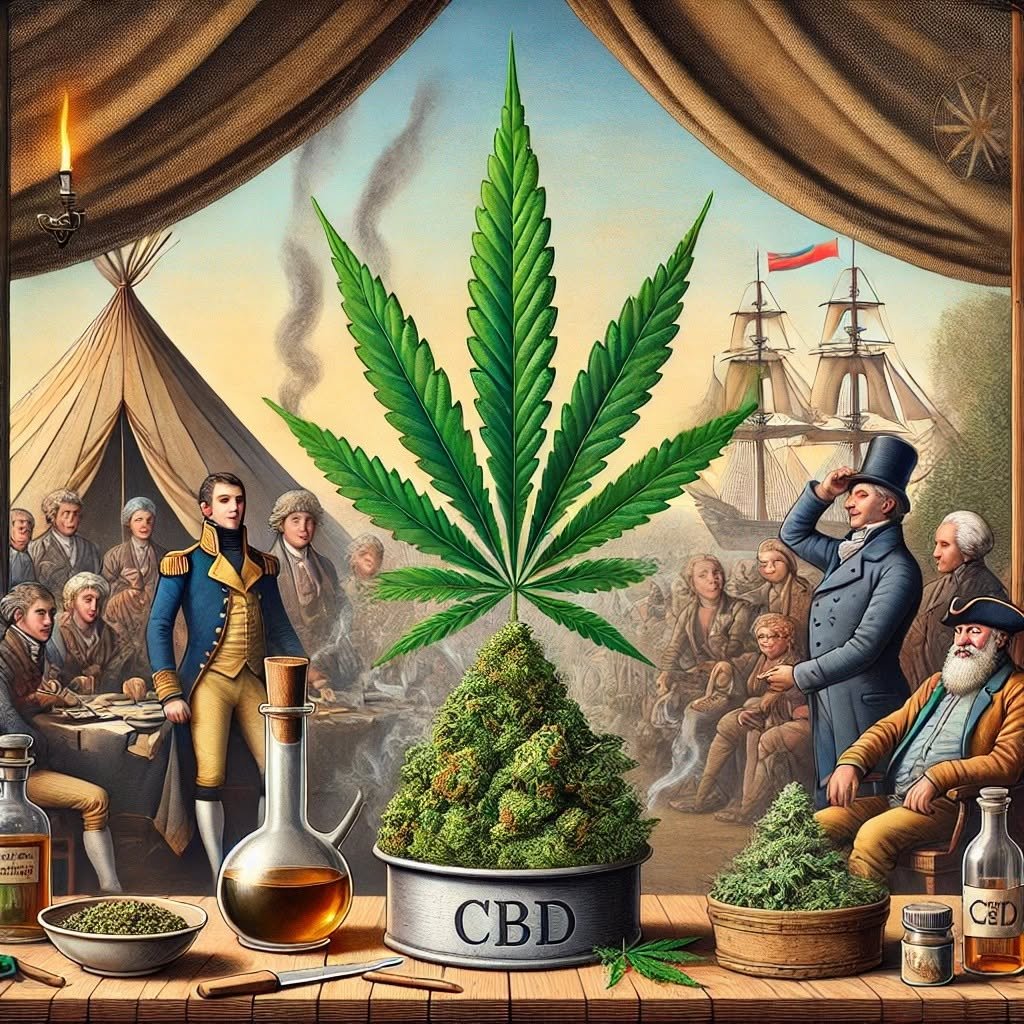
Cannabis has accompanied human societies for millennia. The Greek historian Herodotus described the Scythians, a nomadic people of Central Asia, burning cannabis seeds and flowers inside small tents to inhale the vapor during purification rituals — one of the earliest written records of the plant's psychoactive use.
Today, that ancient relationship has taken new forms: CBD extracts, wellness oils, and infusions offer the plant's calming qualities without its historical rituals — a modern chapter in a very old story.
A rotating selection from our 500+ artifacts, spanning textiles, tools, texts, and botanical specimens.
Hemp fiber weaving techniques and fragments from early trade routes across Asia.
Manuscripts, trade records, and early botanical illustrations documenting hemp's uses.
Processing tools and rope-making equipment from maritime and agricultural traditions.
A real, explorable 3D room built from the museum's own photography — drag to look around, click to learn more.
Enter the 3D MuseumMembership supports our mission to research, conserve, and share hemp's true history.
Individual membership
per year
Supporting member
per year
Premium supporter
per year
We've hosted students, researchers, and curious minds from around the world. Together, we're rewriting the narrative about hemp, one visitor at a time.
Curated Artifacts
Countries Represented
School Groups/Year
In Southeast Asia
Open Tuesday to Sunday, 10 AM to 6 PM. Last entry at 5 PM. Guided tours available by appointment.
רחוב אנפה 1, דירה 208
אילת 8807457, ישראל
museumhemp01@gmail.com
+972 54-722-2484
Tuesday – Sunday: 10 AM – 6 PM
Last entry: 5 PM
Closed Mondays & public holidays
Guided tours by appointment
If your trip takes you further afield, Pha Taem National Park in Ubon Ratchathani province is one of the country's most striking natural sites. Cliff-top viewpoints look out over the Mekong River toward Laos, and the park is scattered with wind-carved sandstone formations known as Sao Chaliang. Its real highlight is a stretch of prehistoric rock art, estimated at roughly 3,000 years old, depicting human figures, animals, and fishing tools along the cliff face — a reminder that people have been recording their lives on this land for millennia, much like hemp has recorded its own long relationship with humanity.