Every object in our collection tells a story about hemp's role in human history, culture, and science. From ancient textiles to contemporary art, each artifact has been selected through rigorous academic evaluation. Browse a curated online selection below — the full archive is available to researchers by appointment.
See how hemp is used today →The new HEMPLITH Drywall Board is paired with a natural plaster made from hemp fibres, clay, and lime. Built for the mass market — scalable, healthy, and CO₂-negative.
HEMPLITH brings sustainable performance into standard construction systems without the need for adaptation. Same workflow. Same tools. Better results — for people and planet. First available in Europe.
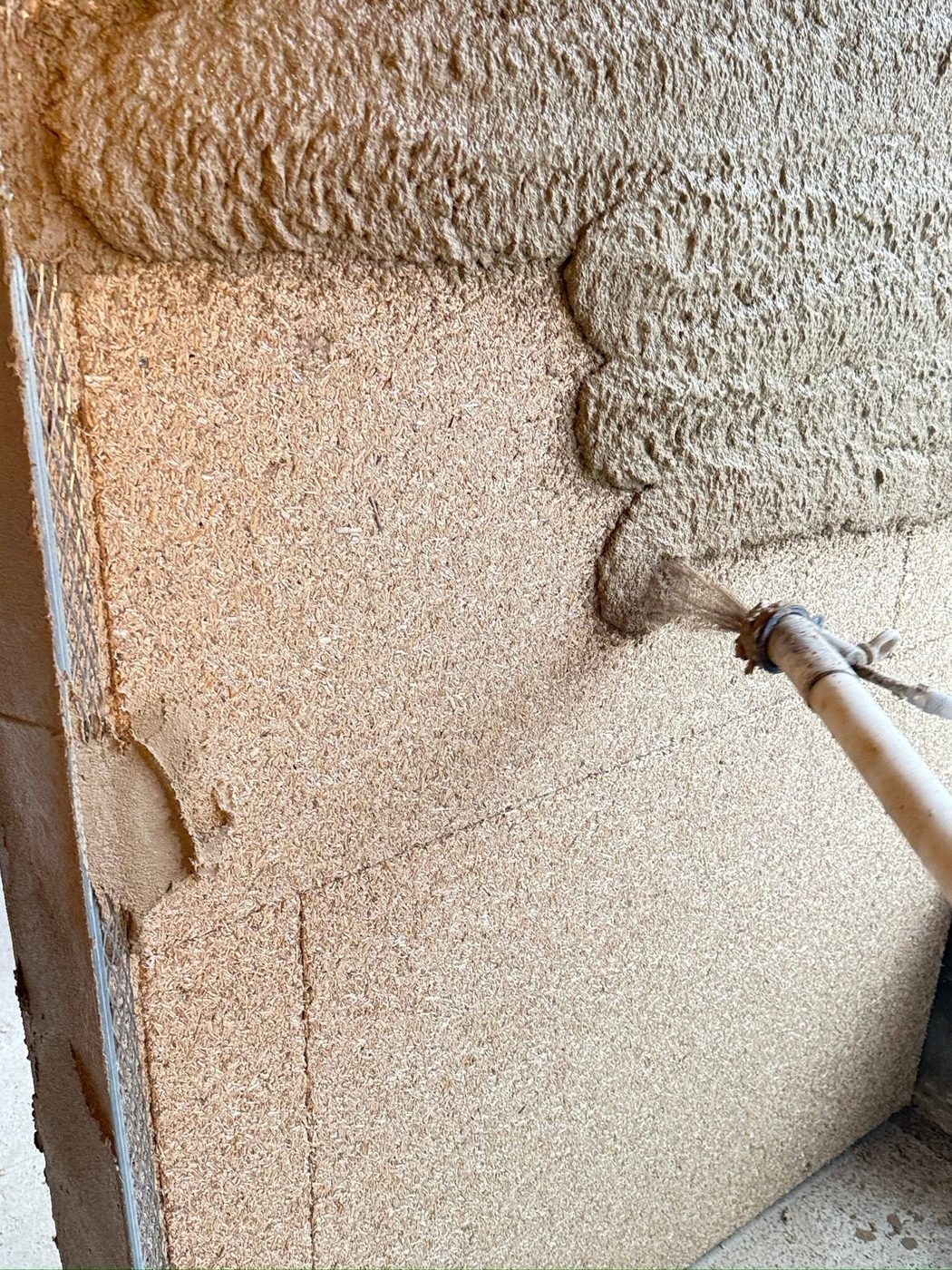
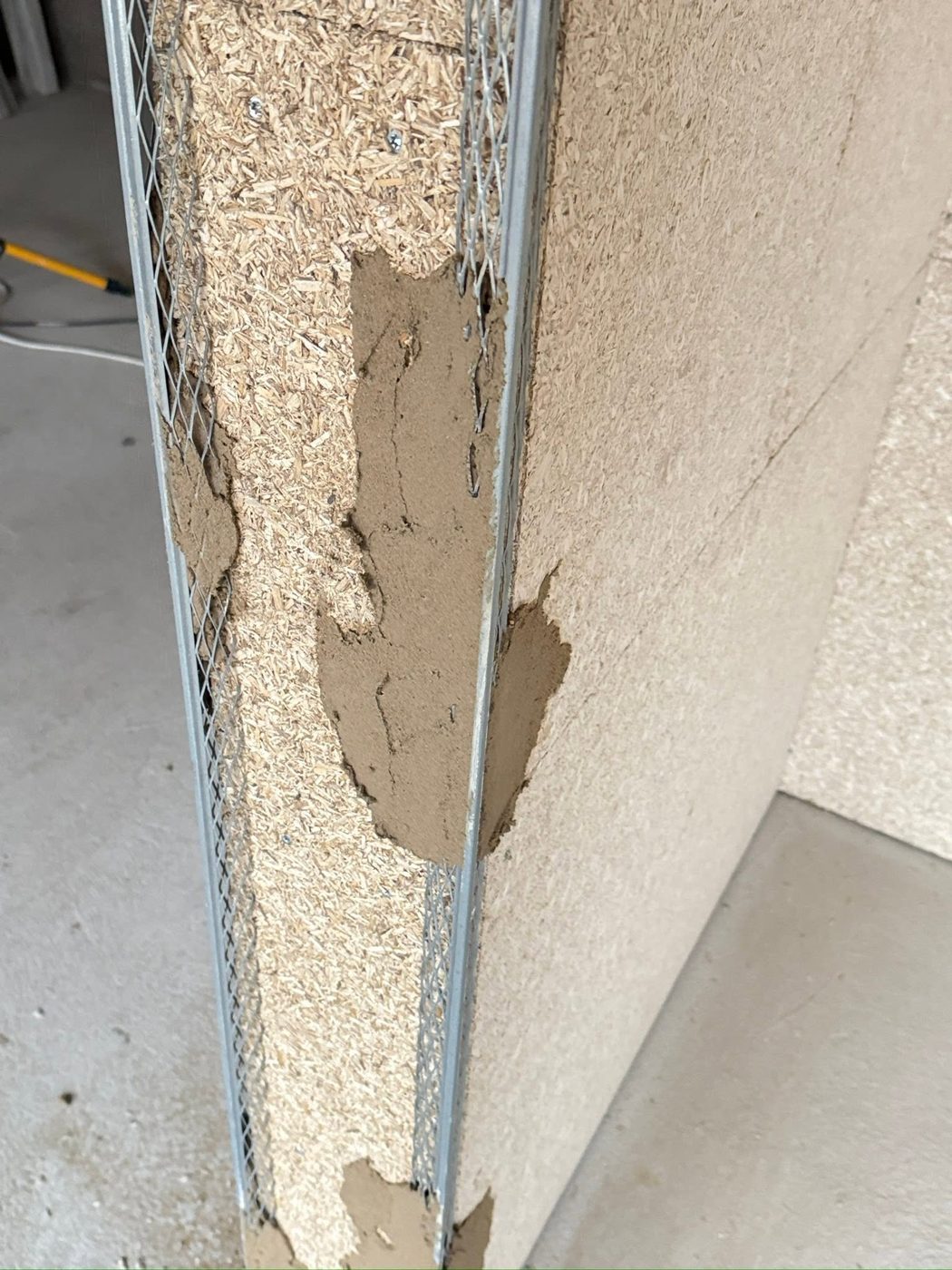
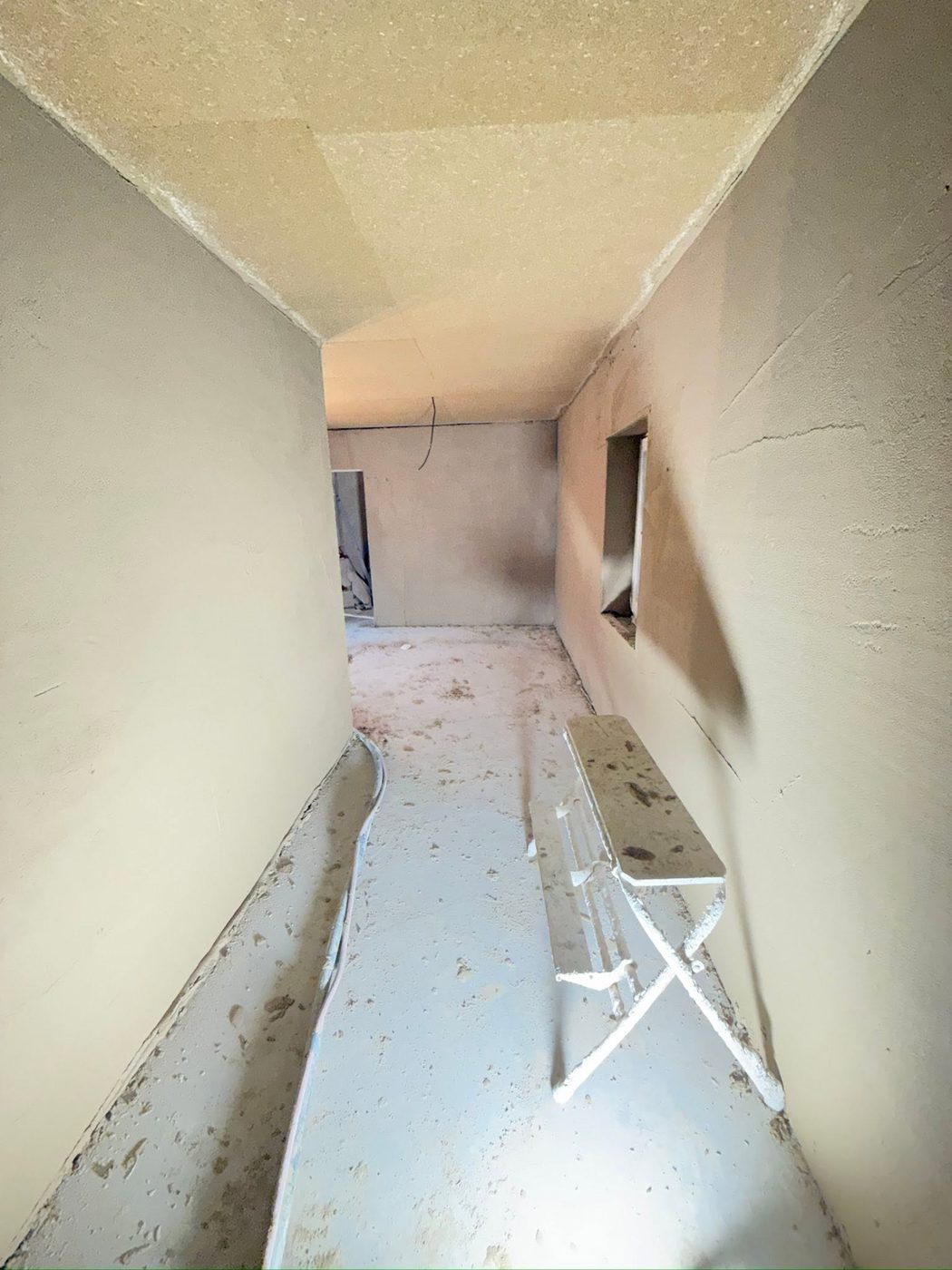
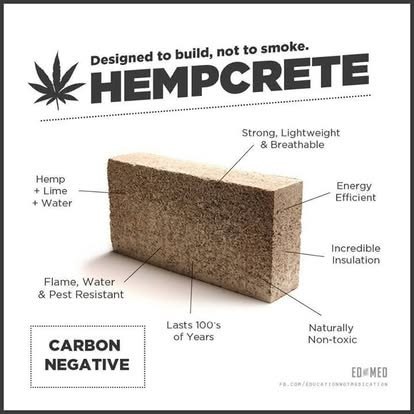
Hempcrete is made from just three ingredients — hemp shiv, lime, and water — yet performs remarkably well as a building material. It's lightweight, breathable, and provides excellent thermal insulation, keeping interiors cool in summer and warm in winter.
Because the lime binder continues absorbing CO₂ as it cures, well-built hempcrete walls can be carbon-negative over their lifetime — locking away more carbon than was emitted to produce them, while resisting fire, pests, and moisture for centuries.
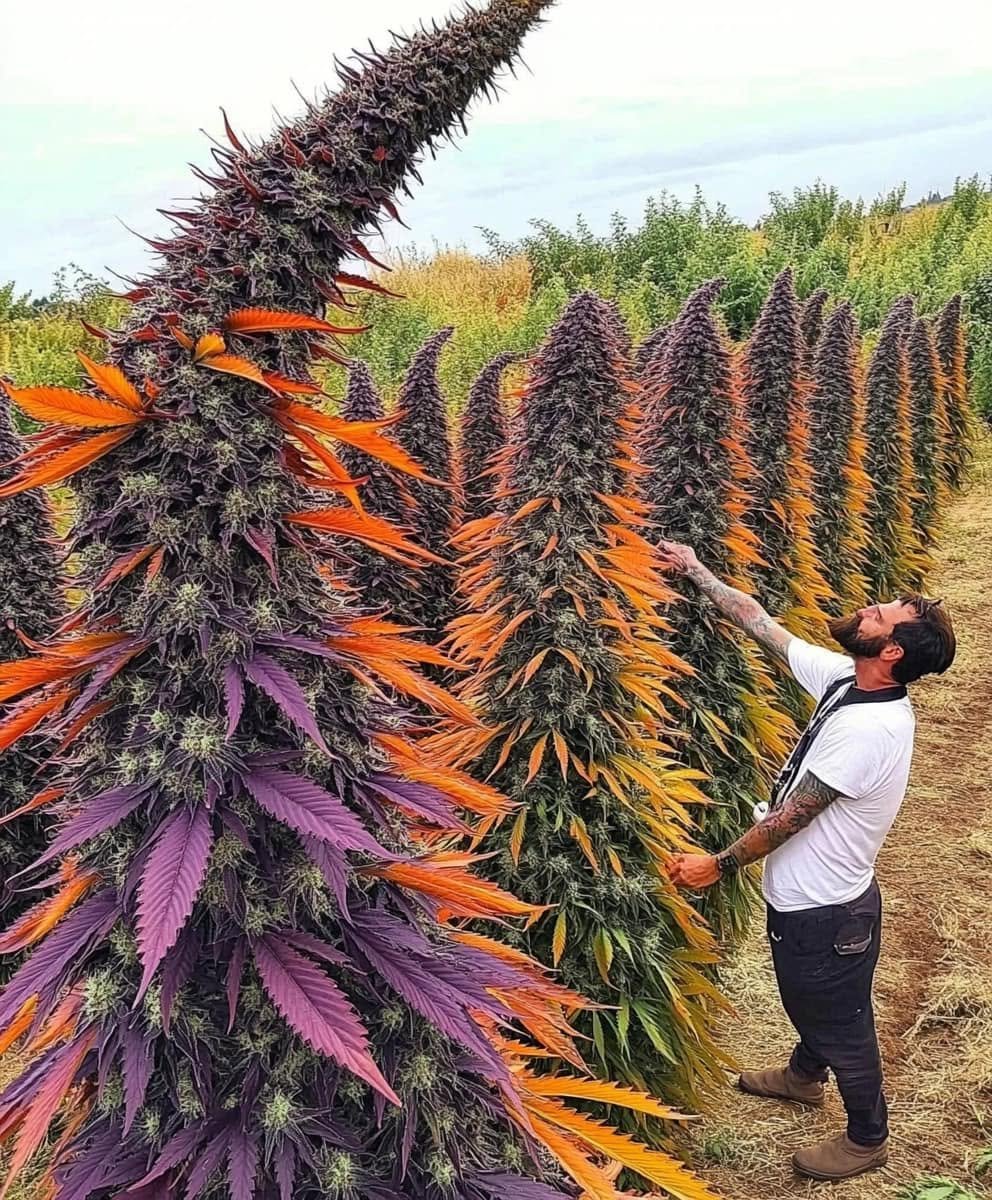
Not every cannabis plant in our collection is grown for fiber or seed. Decades of selective breeding have produced ornamental and high-resin cultivars prized for color, aroma, and potency — a very different branch of the same plant family, cultivated for entirely different purposes.
We include these varieties in our collection to give visitors the full picture: cannabis is not one crop but a spectrum, from the fibrous field hemp used in textiles and construction to the flowering cultivars bred for recreational and medicinal markets.
Browse high-resolution images and detailed descriptions of our collection online.
Access online →Visit our research room by appointment to study artifacts and consult with curators.
Book appointment →University researchers can access materials for study and publication.
Learn more →